Common Myths About Eco-Friendly Homes in Oregon Debunked
Myth #1: Eco-Friendly Homes Are Too Expensive
One of the most common misconceptions about eco-friendly homes in Oregon is that they are prohibitively expensive. While the initial investment might be higher than traditional homes, the long-term savings can be substantial. Energy-efficient appliances, solar panels, and sustainable materials can significantly reduce utility bills, making these homes more affordable over time.
Additionally, state and federal incentives often help offset the initial costs. Oregon offers various tax credits and rebates for homeowners who choose to implement green technologies, making eco-friendly homes more accessible than many people realize.

Myth #2: Eco-Friendly Homes Lack Style and Comfort
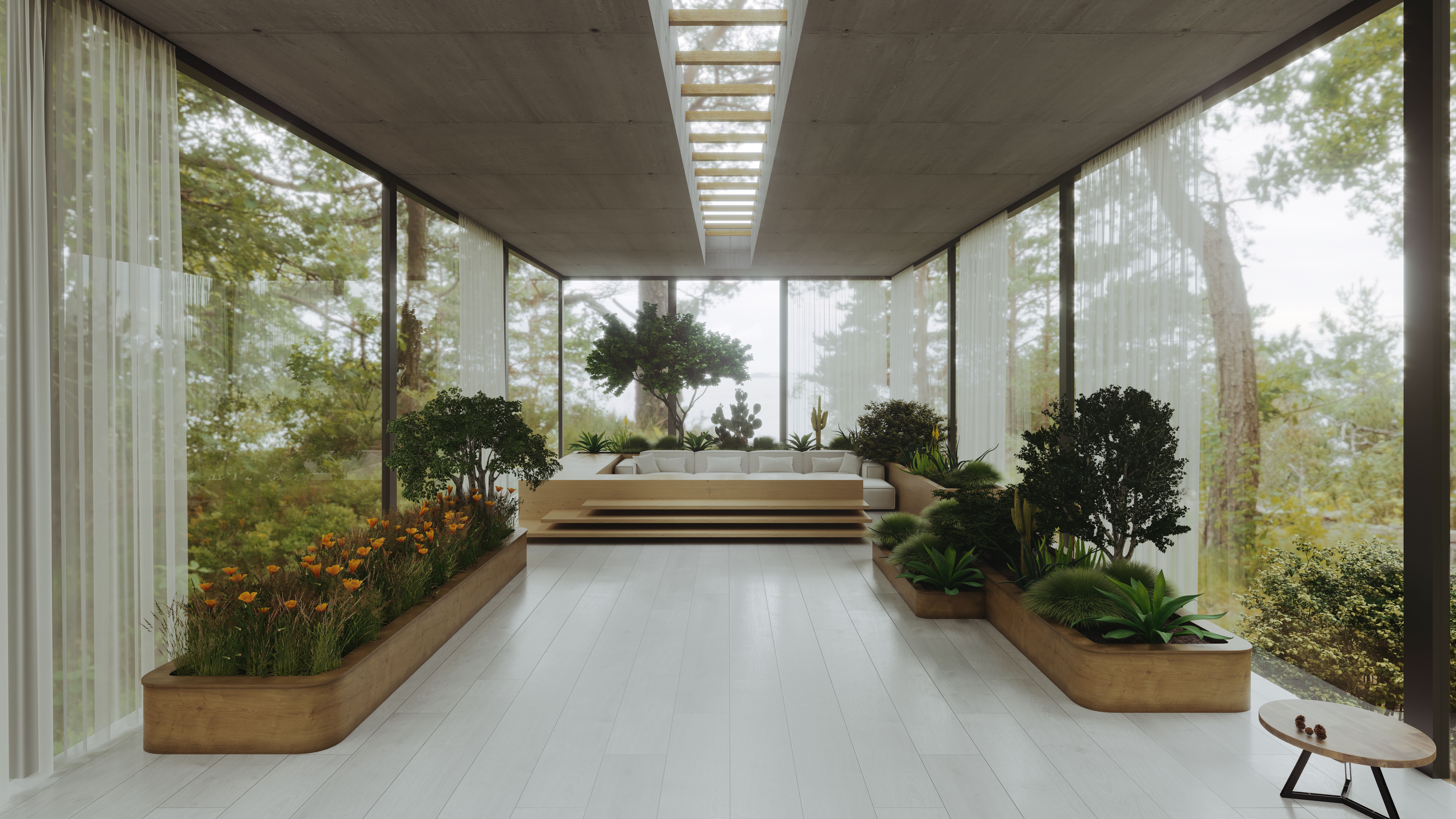
Another common belief is that sustainable homes sacrifice style and comfort for the sake of being eco-friendly. However, modern design innovations have shown that you don't need to compromise aesthetics or comfort. Many eco-friendly homes boast stylish designs that incorporate natural light, open spaces, and high-quality materials.
These homes are designed with the occupants' comfort in mind, utilizing advanced insulation and ventilation systems that maintain a comfortable indoor environment year-round. Eco-friendly does not mean sacrificing luxury or style; it often enhances it.
Myth #3: Maintenance Is Complicated and Costly
Some people worry that maintaining an eco-friendly home is too complicated. In reality, these homes often require less maintenance than traditional ones. Durable materials like bamboo flooring and metal roofing are not only sustainable but also incredibly long-lasting and easy to care for.
Moreover, smart home technologies can automate many tasks, from regulating temperature to monitoring energy usage, making it easier than ever to manage an eco-friendly home efficiently.

Myth #4: Eco-Friendly Homes Are Only for Rural Areas
Many assume that eco-friendly homes are only suitable for rural settings, but this couldn't be further from the truth. Urban areas in Oregon are embracing sustainable living, with eco-friendly homes popping up in cities like Portland and Eugene. These homes fit seamlessly into urban environments, utilizing space efficiently and enhancing the surrounding community.
Urban eco-friendly homes often incorporate green roofs, vertical gardens, and efficient use of small spaces, proving that sustainable living is versatile and adaptable to any setting.
Myth #5: Eco-Friendly Homes Don't Make a Difference
Some skeptics argue that individual eco-friendly homes don't have a significant impact on the environment. However, every effort counts. Eco-friendly homes contribute to reducing carbon footprints, conserving water, and minimizing waste. When more people adopt sustainable practices, the cumulative effect can lead to substantial environmental benefits.
Moreover, eco-friendly homes serve as inspiration for others, creating a ripple effect that encourages more sustainable practices across communities.

Conclusion
Debunking these myths is essential for encouraging more people to consider eco-friendly living. With cost-saving benefits, stylish designs, easy maintenance, and adaptability to urban environments, eco-friendly homes in Oregon offer a sustainable and practical solution for the future.
By choosing to live in an eco-friendly home, you're not only investing in your future but also contributing to a healthier planet for generations to come.